Fishing Rod Care: Advice for Lasting Durability and Performance
Proper fishing pole maintenance is crucial for maximizing both longevity and performance. Many anglers overlook routine care, risking damage and reduced effectiveness. Regular cleaning, thorough inspections, and appropriate storage methods can greatly improve the lifespan of fishing gear. Understanding these maintenance practices is key. As the seasons change and conditions vary, the approach to rod upkeep may also need to adapt. What specific strategies can guarantee that a fishing rod remains in peak condition?
Why Proper Fishing Rod Maintenance Is Crucial
Proper fishing rod upkeep ensures longevity and peak performance. Regular care makes certain that rods remain in excellent state, preventing issues that could compromise fishing adventures. A well-cared for rod can withstand various environmental circumstances, reducing the likelihood of damage from contact to sun, water, and dirt.
Dismissing scheduled maintenance can cause component wear, affecting sensitivity and casting performance. Components such as guides, reels, and grips must be inspected consistently, as they are key for quality casting and reeling.
Moreover, correct maintenance can boost the overall angling adventure by enhancing accuracy and distance, making it easier to land a catch. By investing time in care, fishermen not only prolong the life of their equipment but also strengthen their skills and enjoyment on the water. In the end, a commitment to maintenance is crucial for dedicated fishing enthusiasts, guaranteeing both performance and reliability.
How to maintain Your Fishing Rod Properly
Regular cleaning is an important component of fishing rod maintenance that directly impacts functionality and longevity. Anglers should start by rinsing the rod with clean water to remove dirt, salt, and debris after each use, especially if fishing in saltwater environments. A soft cloth or sponge can be used to gently wipe down the rod, giving special attention to guides and reel seats where grime builds up.
For stubborn stains, a gentle soap mix can work well; however, powerful cleaners should be prevented as they might cause damage the rod's coating. After rinsing, it is vital to ensure the rod is completely dry to stop water gathering, which can result in corrosion. Additionally, fishing enthusiasts should periodically clean and lubricate the reel to make certain optimal performance. By sticking to these steps, fishermen can maintain their rods' performance and extend their useful life.
What Elements to Check For When Examining Your Fishing Rod?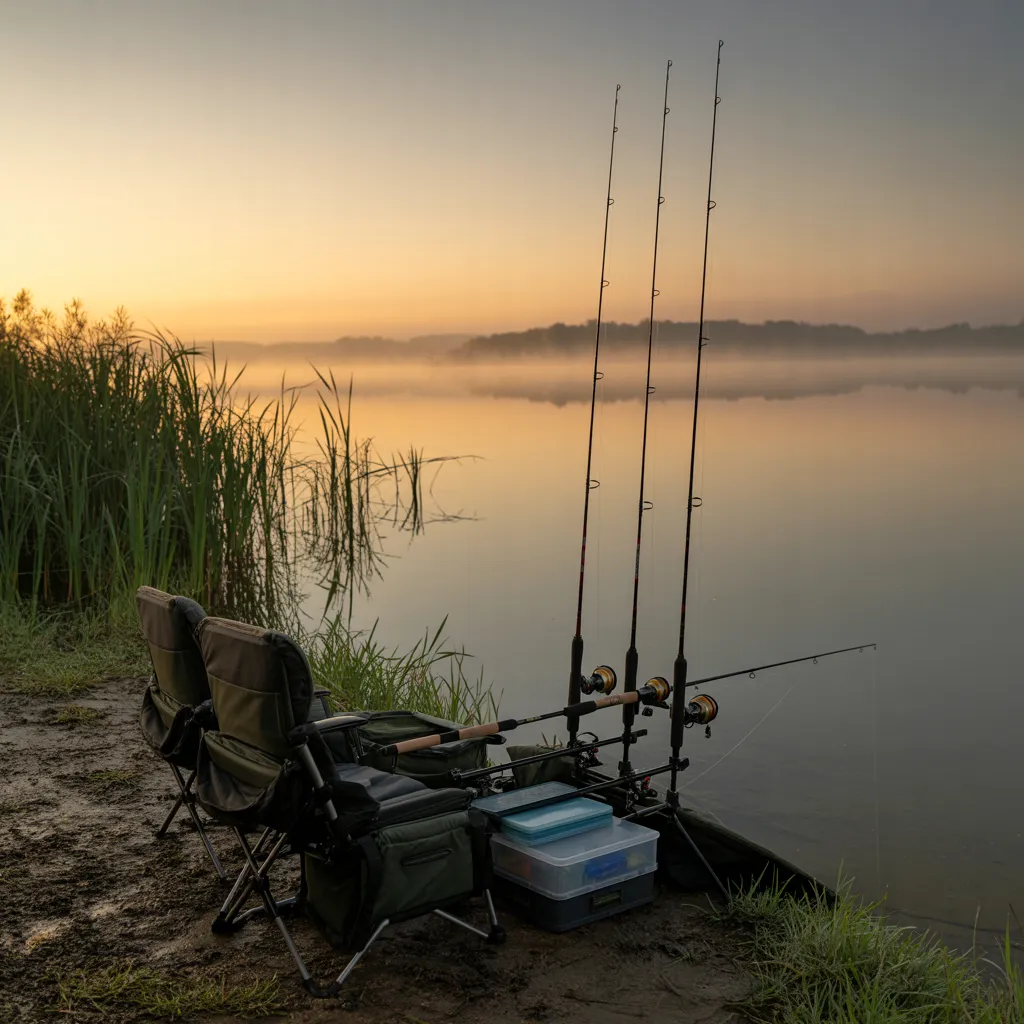
When examining a fishing rod, it is vital to perform a comprehensive visual damage assessment to detect any breaks or warping. Additionally, checking the reel and guides for wear or corrosion can avoid upcoming problems and guarantee optimal functionality. Regular inspections help maintain the rod's structural soundness and prolong its durability.
Visual Deterioration Examination
A keen vision is crucial for fishermen looking to maintain their fishing rods in optimal condition. Regular visual damage assessments can help detect problems before they escalate. Anglers should inspect the rod for splits or fractures, particularly near the handle and tip. A comprehensive check of the rod blank is vital, as any signs of wear can undermine performance. Additionally, examining the finish for scratches or chips is important, as these can affect the rod's integrity. The guides helpful tips should be free of oxidation or decay, while ensuring that the epoxy on the guide wraps is undamaged. Finally, the reel seat should be firmly attached and free from any apparent wear, guaranteeing a firm attachment between rod and reel.
Reel and Guides Assessment
It is essential to inspect the reel and guides to maintain a fishing rod's functionality. Anglers should initially check the reel to ensure it operates without issues, making sure the handle turns freely. Any abrasive sounds or stiffness might indicate the need for lubrication or repairs. Then, inspect the guides for cracks, chips, or corrosion since these flaws can hinder line travel and casting accuracy. Inserts must be intact and smooth to reduce line wear. Also, check that the guides are stitched firmly to the rod, as loose parts can cause breakage. Consistent care of these parts not only boosts performance but also lengthens the fishing rod's overall lifespan, allowing a more satisfying fishing experience.
Fundamental Directions for Fishing Rod Protection
Preserving fishing rods properly is vital for ensuring their longevity and operational quality. Anglers must always position rods vertically or horizontally, ensuring they are properly supported to stop breakage or warping. Rod racks or cases offer safeguarding against environmental debris and impact damage. Furthermore, it is wise to steer clear of keeping rods in bright sunlight or harsh temperature extremes, since these conditions can weaken materials and diminish component strength gradually.
When storing rods for extended periods, it is beneficial to detach reels to prevent unnecessary strain on the rod's structural parts. Furthermore, keeping fishing lines properly wound and organized helps reduce snarling and crimping. Regularly checking for any marks of degradation or defects during storage assures that rods continue to be in excellent condition and set for use. By following these storage recommendations, anglers can enhance the longevity and usefulness of their fishing equipment.
Best Options for Rod Upkeep
Selecting the appropriate products for rod maintenance assures that fishing equipment remains in peak condition. A high-quality rod cleaner is needed for removing dirt and grime, helping maximum performance. Many anglers prefer specialized cleaning solutions that are friendly for both rod materials and the environment. Additionally, reel oil and grease are critical for maintaining smooth operation. These lubricants avoid corrosion and guarantee longevity, especially in saltwater environments.
To protect the rod's finish, a good rod wax can offer a protective layer against scratches and UV damage. In addition, utilizing guides and tip protectors can avoid damage while storage and transport. In summary, a trustworthy tackle box or rod case helps arrange and protect equipment against wear and tear. Investing in these products enhances performance while also prolongs the lifespan of fishing rods, making them more reliable for future outings.
Climate Impact on Your Rod Maintenance
Weather is vital in determining the frequency and type of care needed for fishing rods. Humidity can bring about mold and corrosion, especially among metal components, requiring more frequent inspections and cleaning. Conversely, arid settings may cause the rod materials, like cork or wood, to crack, initiating the need for conditioning solutions to maintain integrity.
Temperature changes also influence rod effectiveness. Extreme cold can make certain materials brittle, while excessive heat may weaken adhesives. Anglers are encouraged to store rods in climate-controlled environments to lessen these effects. Rain and moisture exposure require immediate drying to prevent decline and guarantee longevity.
Seasonal fluctuations determine the frequency of servicing tasks. Regular assessments in wet seasons are necessary, whereas winter timeframes may call for defensive measures to avoid cold-weather degradation. Ultimately, customizing care routines to current environmental conditions extends the lifespan and performance of fishing rods.
Signs Your Fishing Rod Requires Professional Repair
Regular exposure to different climatic elements can lead to visible deterioration on fishing rods. Anglers should be vigilant for several indicators indicating that professional repair may be necessary. A compromised rod may display obvious fractures or splitting in the material, which can affect its overall strength. Additionally, if the rod feels unusually flexible or has diminished its sensitivity during casting, this may signal internal damage.
A red flag is when the guides, or eyelets, are bent, chipped, or missing, as this can impede line movement and cause tangles. Furthermore, if the reel seat is compromised or worn, it may not securely hold the reel, impacting performance. Finally, persistent discomfort or vibrations while reeling in a catch can suggest underlying problems requiring expert attention. Identifying these signs early can help preserve the rod's longevity and improve the overall fishing experience.
Frequently Submitted Questions
How Often Should I Replace My Fishing Rod?
A fishing rod should typically be replaced every five to ten years, based on care standards and frequency of use. Indicators of damage, such as fractures or reduced functionality, may require earlier replacement for the finest fishing experience.
Can I Use Regular Cleanser for Washing My Rod?
A fishing rod can be washed with regular soap and is typically fine to do so, yet a gentle, non-abrasive cleaner is best to use. Performance may be impacted if the rod's materials and finish are harmed by harsh chemicals.
How Can You Recognize a High-Quality Fishing Rod?
A premium angling rod generally features robust materials, a lightweight design, quick response, and durable guides. Moreover, refined finish, sturdy build, and well-known brand standing contribute to its total performance and durability during use.
Does Maintaining Rods Require Distinct Methods in Salt water Angling versus Freshwater Angling?
Rod maintenance differs considerably between saltwater and freshwater fishing. Saltwater environments demand more rigorous cleaning to remove corrosive salt deposits, while freshwater rods typically require less frequent maintenance, focusing mainly on inspection and cleaning for wear.
How Can I Prevent My Rod From Getting Harmed During Transport?
To prevent rod harm during transport, one should utilize a protective case, fasten the rod correctly, avoid placing heavy items on top, and guarantee it remains upright to minimize stress on delicate parts.